 To shop our Holiday Gift Guide

Autism Lifespan
Autism Lifespan is a service provided by Little Red Hen, a 501(c)(3) non-profit corporation. The mission of Autism Lifespan is to promote lifelong access and opportunities for persons within the autism spectrum and their families, to be fully included participating members of their communities through public awareness, education, and research related to autism.
We provide services for individuals and families affected by Autism in the Butte, Glenn, Lassen, Modoc, Plumas, Shasta, Siskiyou, Tehama, and Trinity counties. We also connect with service providers, agency staff, educators, and professionals who are interested in furthering our mission. Our services are open to any individual, family, or community member. Check out our Lifespan programs below for more info

LRH Autism Lifespan Center ◊ (530) 897-0900 ◊ 2418 Cohasset Rd #150
Services
Children's Programs
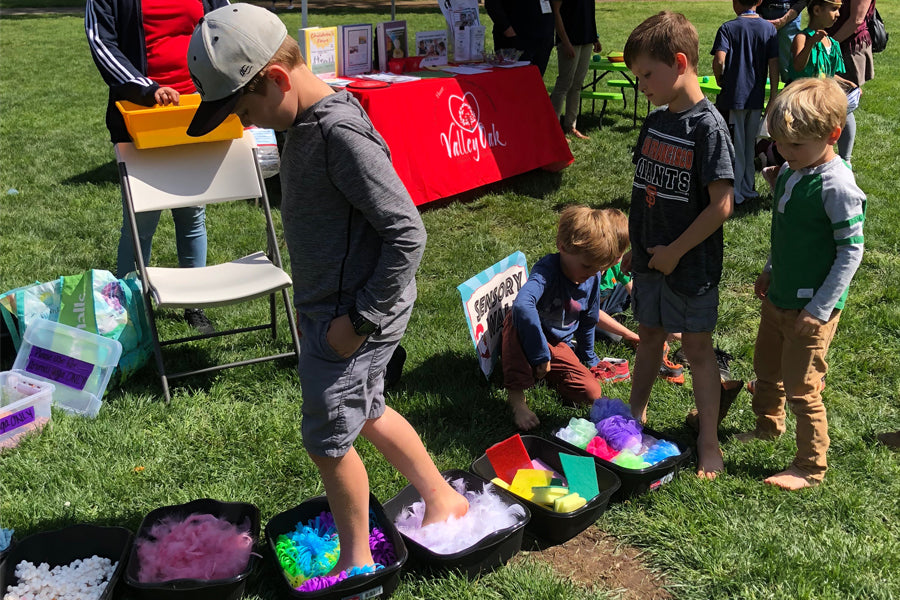
Since 1993, Little Red Hen has established quality programs for children with Autism Spectrum Disorder (ASD) in the Chico area to learn and grow through unique and exciting activities.
Resources
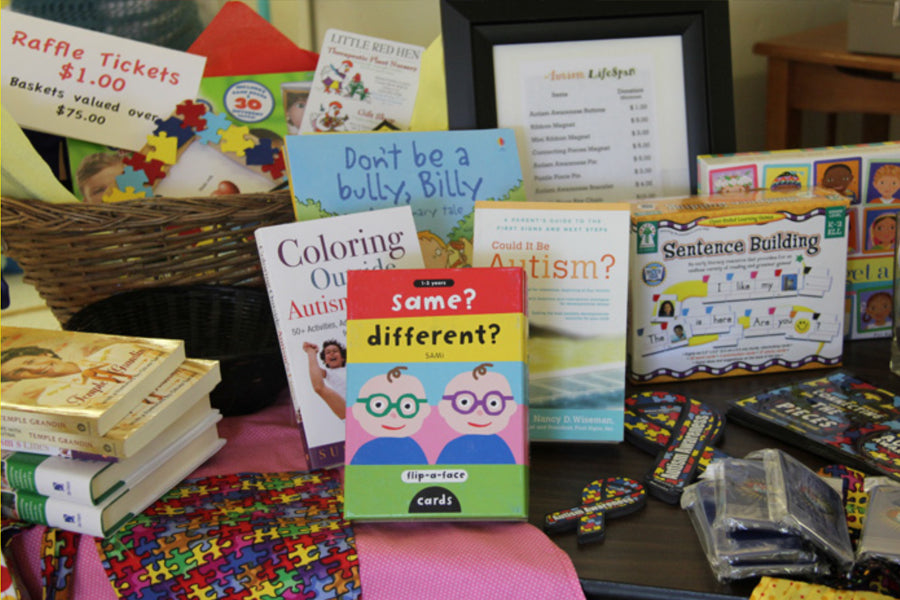
In the Autism Lifespan resource office we provide a Lending Library of books, CDs, and DVDs as well as a vast amount of pamphlets, brochures, and fliers on local services and events.
About
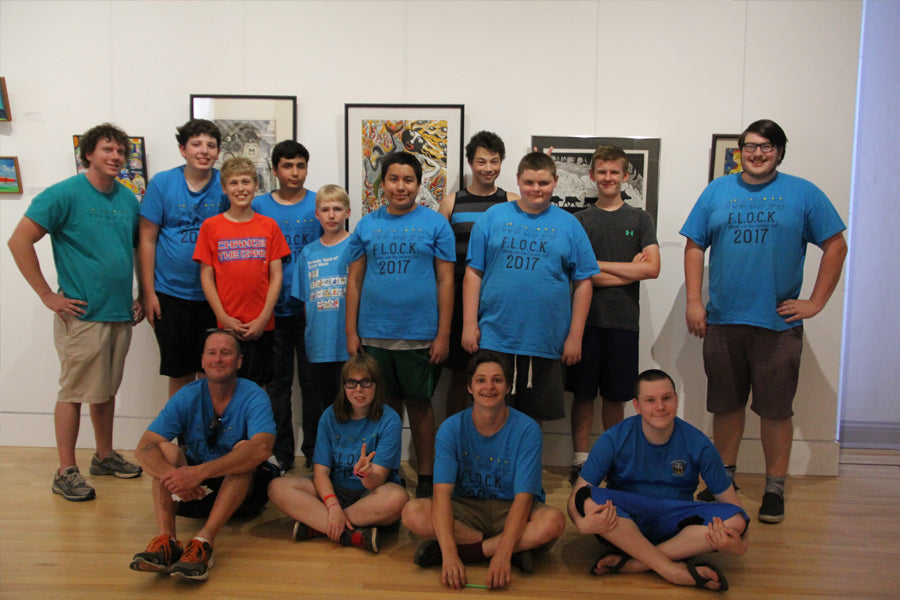
Autism Lifespan is a Little Red Hen Inc. non-profit service that strives to provide the most up to date information and current events available, while facilitating opportunities for support, connection, and advocacy to our local families.

